






Unravel Quietly Disruptive Style Codes—Learn Fashion’s Secret Rhythms
Welcome to Kelfina , where real experts guide your journey—no jargon, just learning that clicks. I still remember my own “aha” moments, and we’re here to spark those for you. Ready to see what you can do? Let’s start.
Contact
Fashion Learning Highlights
When you’re trying to learn fashion trends, numbers can actually tell you a lot—especially if you’re curious about how effective the teaching really is. At Kelfina , we believe that
showing our educational achievement metrics isn’t just about bragging rights; it’s about being open with you and holding ourselves accountable. If you want a clearer picture of how
our students grow their trend-spotting skills or land opportunities in the industry, take a look at the stats below and see what’s possible for yourself.
Tech-enabled methods
Graduation rates
Content engagement
Continuing education
Who Our Course Can Empower to Excel
Improved ability to think strategically.
Enhanced ability to cultivate a growth mindset in oneself and others.
Improved ability to synthesize information.
Increased motivation and engagement
Improved ability to meet deadlines.
Heightened understanding of the importance of lifelong learning.



Step Into Style: Discover Your Fashion Story
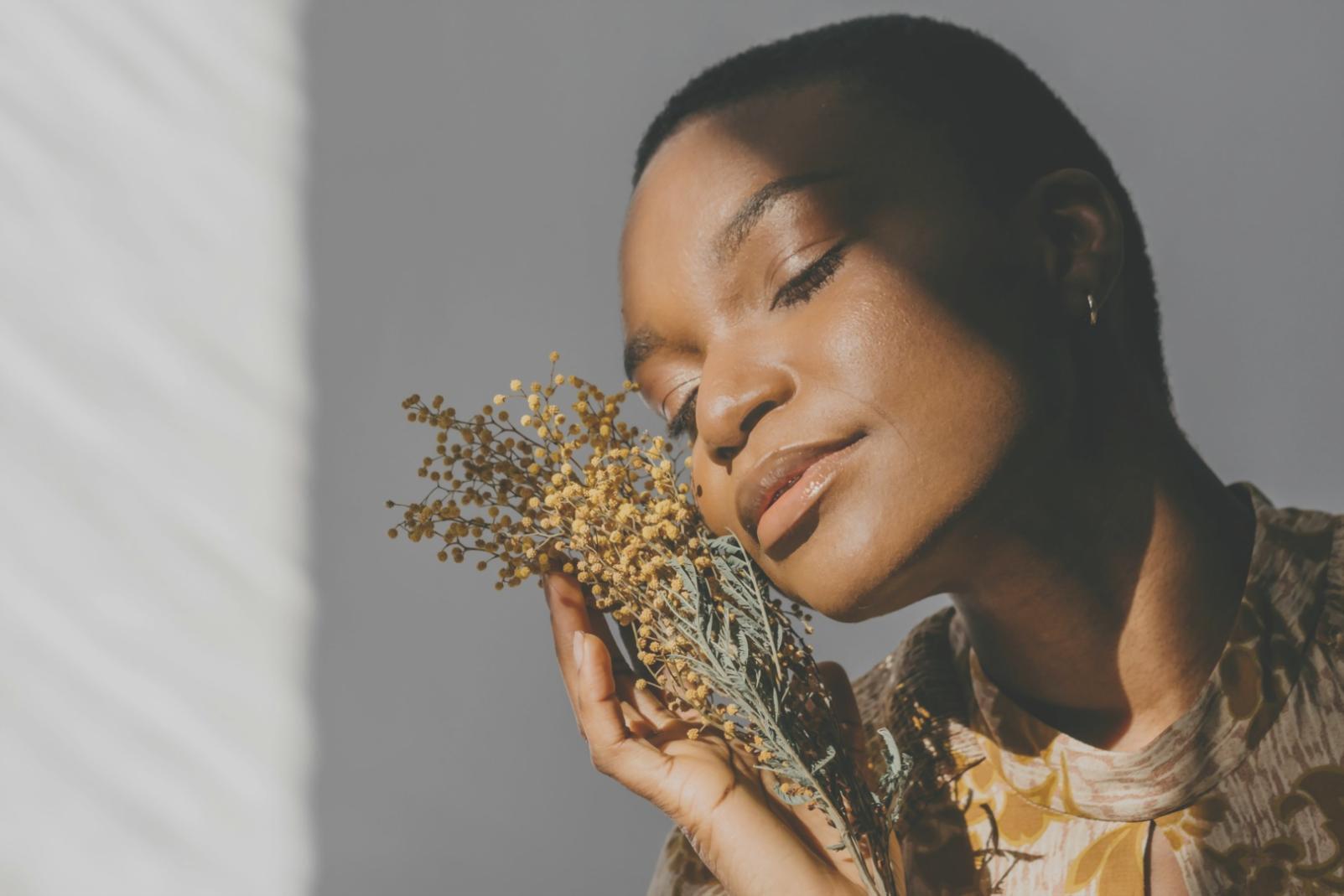
Beauty, in the context of fashion trends, is a sort of dance—sometimes choreographed, sometimes a spontaneous shuffle. When we talk about how people actually approach trends, there’s this funny blend of structure and improvisation that unfolds. We start by laying out the bones: a bit of history here, some theory about why certain styles cycle back, the social undercurrents that push a color, a silhouette, or even a particular pair of shoes into the spotlight. But almost immediately, something else happens—participants bring their own stories, their own closets, their own hang-ups and excitements. You can see the theory clashing and colliding with real life, which is honestly where the good stuff is. And yet, there’s a rhythm to it. Some sessions, we look at runway photos, piecing together the “why” and “how” of what designers are doing. Other times, it’s more hands-on—someone tries on a bold print they’d never touch before, and suddenly the room shifts. You see people move from abstract understanding (“Oh, that’s what’s trending this year”) to a kind of tentative confidence: “Maybe I could actually wear this.” It’s not a straight line, this process. There are detours, awkward fits (literally and metaphorically), and those moments when someone laughs because something looks absolutely ridiculous—and that, too, is part of getting it. I’m always a bit more enthusiastic about the messy, responsive parts than the carefully mapped-out ones. There’s a freedom in letting the group steer the conversation—like when a discussion about 90s revival unexpectedly turns into a deep dive on why everyone’s mom had the same floral blouse. And it’s in those moments, when people start to connect their own taste with what’s out there, that the bridge between theory and application really gets built. To be honest, one of the more memorable details from last spring was hearing how a participant tracked down a vintage windbreaker after a session, just to see if she could pull it off at work (she could, for the record). But I should mention: the structure isn’t just for show. It anchors the experience, giving everyone a common language and a way to measure how their thinking shifts. Early on, people might parrot back what’s “in” and “out,” maybe a little nervously. By the end, they’re asking sharper questions—sometimes even pushing back, challenging what counts as beautiful or trendy in the first place. Not everyone walks away with the same answers, but that’s kind of the point. The goal isn’t just to follow trends, but to understand how they work, and to walk out the door with enough insight (and a bit of guts) to make your own call—whether that’s picking up a neon scarf or deciding, confidently, to pass on the latest thing.
Contact UsTick of Approval by Customers Reports
Karsten
That moment my hoodie matched my sneakers—felt like I finally spoke fluent trend. Who knew fashion could be this fun?

Monserrat
Achieved: Real talk with people who just get my style—sharing trend tips turned strangers into friends.

Charlie
Six concepts sparked lively debates—love how everyone shares fresh perspectives on runway data.

What to Expect in Virtual Workshops
Every morning, logging into Kelfina feels a bit like stepping into a busy café where you already know a few faces. There’s a rhythm to it—sometimes you dive straight into a live session, other times you start by catching up on messages from classmates or reading a quick update from your instructor. Maybe you’ve got a quiz to finish before lunch, or you’re just poking around the community forum, hoping someone else is also stuck on that tricky assignment. The platform’s dashboard isn’t overwhelming, which I love; I mean, who needs more chaos? And while you’re watching a recorded lesson, you can pause and rewind without anyone sighing impatiently—honestly, that’s a game-changer for me. There are days I get distracted and wander off to make coffee mid-video, but coming back feels easy because everything’s tracked—progress, reminders, even those silly badges for finishing tasks. If I hit a wall, there’s always the chat or a quick group call, and sometimes the instructors pop in with a friendly nudge or just a meme to keep things light. It’s not about cramming facts but building this steady flow of learning, with enough room for mistakes, questions, and those little “aha” moments that actually stick. I guess what stands out is that it doesn’t feel lonely—there’s always something happening, someone answering, and a sense that you’re moving forward, even on days when motivation is running on fumes.
Thrive in Learning: The Experience Within
-
Increased proficiency in virtual internship project management
-
Familiarity with online learning communities
-
Increased proficiency in online communication tools
-
Improved adaptive learning use
-
Better understanding of online learning community collaborative content creation
-
Improved awareness of online learning community diversity and inclusion
Learning Program Fee Breakdown
Investing in quality fashion trends education is really about finding a program that’s clear about what you’re getting—no hidden catches, just straightforward details about each learning path. Personally, I always appreciate when the pricing and included resources are laid out plainly; it makes it so much easier to decide what fits my goals (and my budget). If you’re someone who likes to know exactly what you’re signing up for—what’s included, what isn’t, and whether the teaching style matches your needs—you’ll probably find these options refreshingly open. Take a look below to see which educational opportunities might be the right fit for where you are now, and where you want to go:
-
Premium
What really sets the Premium format apart—at least from what I’ve seen—is the way it carves out space for in-depth, almost one-on-one mentorship; this isn’t just about access, but about real, ongoing feedback on your choices and reasoning. And for people who already come in with a strong instinct for trends but want to sharpen their analytical edge, that’s probably the thing that keeps them coming back. There’s also the archival trend database, which can be overwhelming at first (I’ve heard a few people say they spent hours just poking around), but it gives you this backstage view into patterns you wouldn’t spot elsewhere. I’d say the live critique sessions are helpful, sure, but it’s the continual course correction from mentors that makes the most difference for those who take their growth seriously—they tend to be pretty self-motivated, sometimes almost relentless in their pursuit of detail, and this format just meets them where they are.
-
Plus
What really sets the Plus tier apart is the mix of structure and freedom—participants commit to a slightly higher monthly fee, but in exchange, they get tailored trend breakdowns, weekly hands-on challenges, and, probably the most underrated piece, direct feedback from working stylists. Some people don’t need the accountability, but if you’re anything like me, actually having someone notice your progress can make all the difference. There’s also a sense of belonging here that isn’t always easy to find—access to a private forum means you’re not just learning, you’re part of a small, active group, tossing around new looks and honest opinions. And, while the curated seasonal guides are a practical feature, I’ve noticed that most folks stick around because it feels a little more personal. That’s really what the Plus tier trades on: you put in a bit more, but you get to see your style thinking sharpen week by week, which, in my experience, tends to stick longer than just passively scrolling through trend lists.
-
Standard
People who usually pick the Standard tier for building fashion trend proficiency tend to appreciate clear, actionable guidance they can translate into everyday choices—think styling tips that actually work on a Monday morning, not just on a runway. There’s a certain comfort in knowing you’ll get regular updates on what’s current, but without the pressure to chase every microtrend or decode obscure references. Honestly, the most direct benefit is the balance between structure and flexibility: you get a roadmap, but you’re not boxed in. And while some might overlook it, I’ve noticed these learners often enjoy the occasional “why this matters” side note—like how a particular fabric keeps resurfacing every decade or two, almost like fashion’s inside joke.
The Professional Landscape
Kelfina
Fashion has always been a language—one that changes with the times, sometimes faster than we can keep up. But what if learning to read and speak that language could be exciting, hands-on, and actually make sense? That’s what you’ll find with Kelfina , a specialist that transforms fashion trend training into something you can feel, not just memorize. Instead of dry lectures or just showing slides of last season’s runways, classes here are filled with real discussions, trend-spotting walks, and actual projects that mimic what professionals do every day. I’ve seen students leave a session suddenly seeing details they’d never noticed before—like the story a sleeve tells or why color palettes shift from city to city. And let me tell you, there’s an energy that comes from this kind of learning. You won’t just learn what’s hot this season—you’ll actually understand why trends matter and how to anticipate what’s next. The teaching style isn’t about spoon-feeding; it’s about sparking curiosity and letting students try, fail, question, and grow. Plus, everything is grounded in solid educational standards, so students aren’t just “playing dress-up”—they’re building real skills that count in the fashion industry. In the end, what makes Kelfina truly stand out? It’s the way students walk out not just informed, but transformed—ready to make their mark, no matter where their fashion journey takes them.
Great leadership in education is rarely about titles—it’s more about quietly steering a vision, sometimes from behind the scenes, sometimes right in the thick of the action. There’s a certain spark you notice when someone’s genuinely passionate about helping others grow, and that spark’s contagious. That’s what you sense immediately around Fiona, who, frankly, has a knack for transforming a group of creative minds into a team hungry to explore the shifting world of fashion education. Her roots? They run deep in both design studios and classrooms. She didn’t just pass through the fashion industry—she lived it, breathing in the chaos of last-minute show prep and the hush of late-night sketch sessions. I remember her once sharing a story about her first day teaching at a small design college, where the projector broke, the models didn’t show, and she improvised an entire lesson using only magazine clippings and a handful of colored pencils. That day, she said, taught her that adaptability and resourcefulness weren’t just buzzwords—they’re survival skills in both fashion and education. And honestly, those qualities shine through in everything the team does now. What’s really interesting is how she’s woven her background into the company’s teaching approach. You’ll spot it in the way classes blend trend analysis with hands-on experimentation, and in the emphasis on learning by doing—even if it means making a mess along the way. She’s always pushing for a balance between theory and practice, nudging instructors to share real stories from the trenches, not just textbook answers. There’s this sense that every lesson should feel like a backstage pass, not a boring lecture. I think that’s pretty rare. And it’s not just about the curriculum. Her energy rubs off on people. When deadlines creep up and the team starts to feel the pressure, she’s usually the first to crack a joke or invite everyone to an impromptu brainstorming session over coffee. She’s the sort of leader who remembers birthdays, who asks about your latest project outside work, who makes sure even the quietest voice gets heard. It’s not flashy, but it builds trust—and you can see that trust in how the team tackles challenges head-on. She’s always reminding us that fashion isn’t just about clothes—it’s about ideas, culture, risk, and, most importantly, people. That’s why Kelfina doesn’t settle for recycled trends or generic courses. Under her guidance, new programs are constantly in the works—some inspired by runway shocks, others by the smallest shifts in street style. If you ask her, she’ll tell you that education should feel alive, personal, and just a little bit unpredictable. And somehow, she makes that happen, day after day.
Contact Information Hub
Company Name : Kelfina
Senior Manager: Diego
Primary Address: 3202 32 St, Vernon, BC V1T 5M8, Canada
Phone Number: +19054592320
Opening Time
Mo: 8:00Am - 4:00Pm
Tu: 8:00Am - 4:00Pm
We: 8:00Am - 4:00Pm
Th: 8:00Am - 4:00Pm
Fr: 8:00Am - 4:00Pm
Sa: day off
Su: day off